
Your builder has told you the drywall goes up soon. You have a few weeks, possibly less, and a list of decisions that all feel urgent. Most of them are not.
Put the wire in now, frame the shade pockets now, and buy everything you can see later. Almost anything that plugs into a wall can wait. Almost anything that hides inside one cannot. That single distinction sorts the entire list.
The short version
Wire now, gear later
Shade pockets are framed, not added
An outlet is not a network drop
Photograph every wall before the drywall goes on
Buy screens, seats, shelf speakers and doorbells after you move in
The wire is cheap. Reaching the wire later is not.
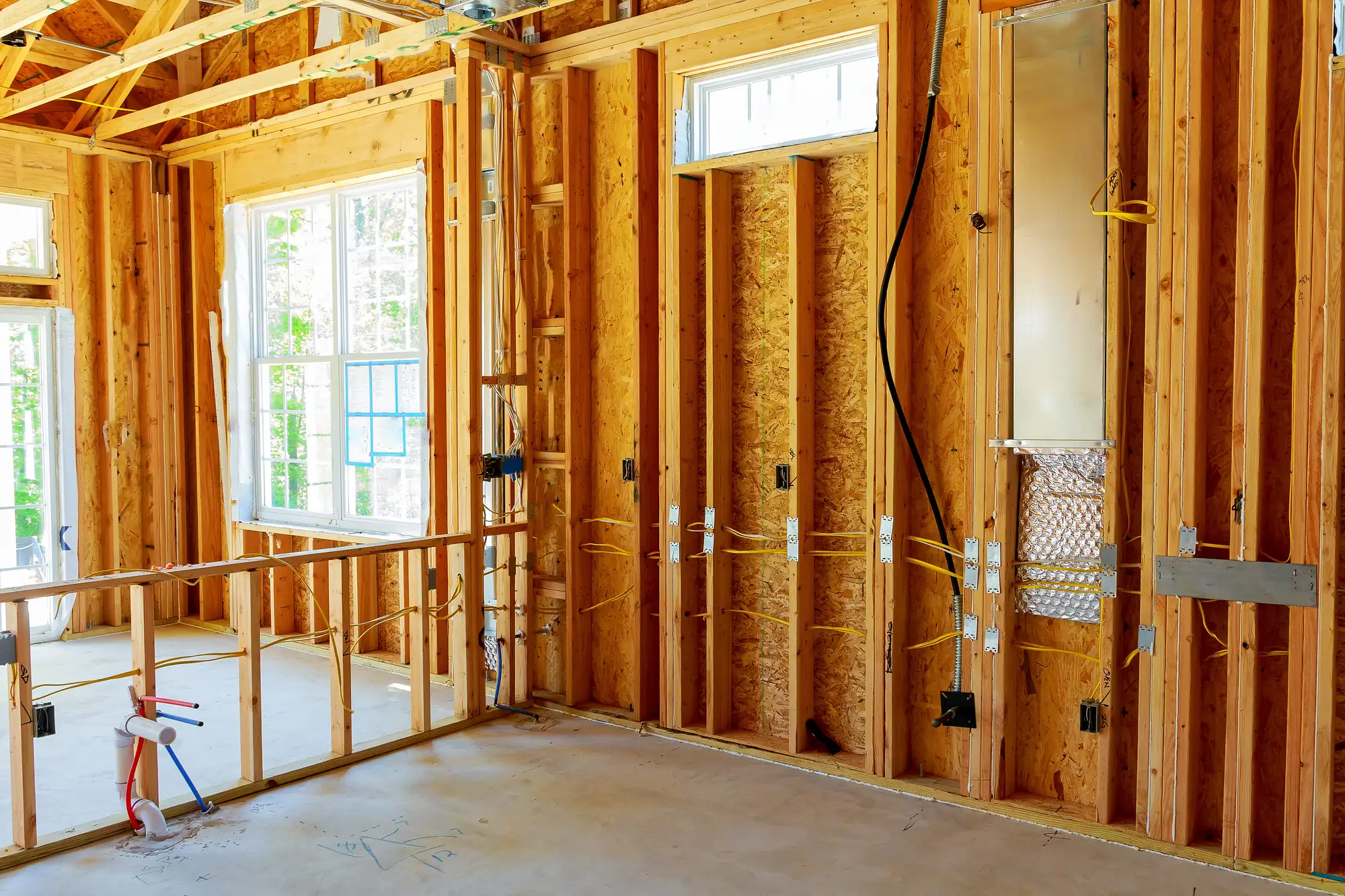
While the framing is open, a cable is simply pulled through the studs and stapled. Once drywall covers them, the same cable means cutting, patching, texture matching, paint, and a crew working around your family in a finished house.
So the rule holds even for things you have no intention of buying. Pull the wire for the speakers you might want in four years. Pull it to the camera location you are not sure about. The wire is the option, and the option is worth more than the certainty. We have written at more length about why the wire is the foundation of everything built on top of it.
A build has four windows, and each closes on its own day. Missing one does not remove the work. It only makes the work harder, and it moves the work from a trade that was already on site to a crew you have to bring back.
Before framing is complete. This is when shade pockets, structural blocking, and the equipment location get decided. A pocket is a slot built into the ceiling for a rolled shade to disappear into, and it is framed by the carpenter rather than added by anyone later. Large displays and heavy mounts need blocking, which is solid material set inside the wall so a bracket has something to grab. Both are trivial now. Both mean opening a finished wall later.
Before the rough in. Rough in is the stretch when the mechanical, electrical and plumbing trades run everything that lives inside the walls, and it is when the low voltage contractor runs the rest. The acronym never grew a letter for it, which tells you something about how recently it became essential. Every cable in the house goes in here: speaker wire, network cable, access point drops, camera runs, door and gate wire, shade power, outdoor circuits, and a dedicated circuit for the equipment itself.
Before drywall. This one is a walk, not a work order. Go through the house with your builder and your technology designer, and photograph every wall. Check that the boxes are deep enough, that the shade pockets match the sizes the shade supplier gave, and that the network drops land where the furniture is actually going rather than where it was drawn. After this day, every correction is repair work.
After you move in. Now the enjoyable part. Screens, seats, shelf speakers, streaming boxes, the doorbell. None of it needs an open wall, and most of it will be better in a year than it is today.
Most people feel the expense of calling the technology team last. The four deadlines are how you avoid it. The way we sequence against them is Done at Closing.
Speaker wire and speaker locations. Wire the ceilings and walls for speakers in rooms where you may never install one. Placement follows furniture, not symmetry, so decide speaker locations alongside your furniture plan rather than after it.
The obvious objection is that wireless has become genuinely good, and it has. But a wireless speaker still needs power, and the outlet is rarely where the speaker belongs. The alternative is a battery, which is a maintenance schedule disguised as a convenience. A single Ethernet run carries both the signal and the power, and it does so for the life of the house. See our whole home audio and private cinema work, or a Greenwood Village home wired throughout.
Tell your builder: wire every speaker location on the plan, including the ones we will fill later.
Network drops. A network drop is a data cable running from a wall plate back to the equipment location, and it is the difference between a television that streams and a television that buffers during the fourth quarter. Plan one for every screen, every desk, every camera, and every ceiling position where a wireless access point will go.
They are also more useful than they sound. One of our favorites sits in the main living space and carries a turntable back into the audio system, so a record played in one room is available in every room and on the patio.
Tell your builder: an outlet is not a network drop. More on networks and cameras that simply work.
Conduit to the places that will change. Conduit is an empty tube with a pull string inside it, run to the locations most likely to be revised: the projector, the screen wall, the equipment room. It is the least expensive insurance in the house and the only thing on this list that buys you a second chance.
Shade pockets and shade power. The pocket is framed, and the electrician wires each window while standing there. Both happen once.
Tell your builder: we need pocket sizes from the shade supplier before framing.
Keypad locations and box depth. A keypad sits deeper in the wall than a light switch, and a shallow box produces a poor fit you will look at every day. The reward for planning it is subtraction. Instead of a bank of four, five or six switches, a single keypad runs the room, and the wall acne disappears in favor of one quiet plate that handles lighting, shades, climate and volume.
The equipment location. The gear lives in one place, usually in a rack, and that place needs floor area, power, ventilation and a clear cable path. A closet with no air becomes a problem you live with for a decade. In larger houses the better answer is often several small locations, one per floor, rather than one central room with long runs back to it.
Cameras, doors, gates and the outdoors. Wired cameras hold a picture that wireless cameras lose. Wire the driveway, the doors, the shop and the gate before the soffit closes. Wire any door that might take a smart lock or an intercom. And think hard about the patio, the pergola, the fire pit, the landscape and the pool, because outside is where adding anything later means trenching a finished yard.
None of these are emergencies. They are simply cleaner while the walls are open.
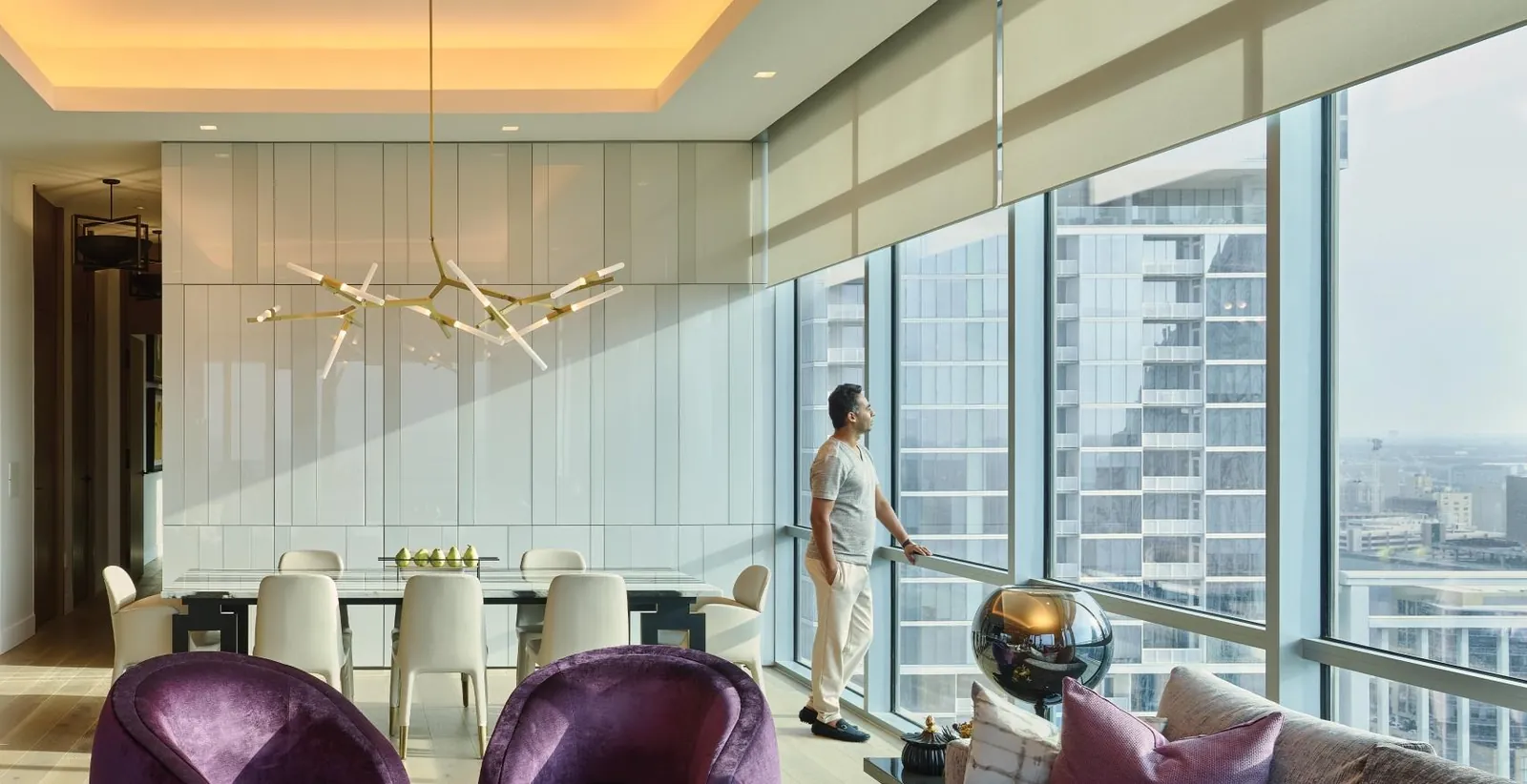
A speaker set into the ceiling disappears, but it has to be planned. A speaker mounted on the surface can arrive any time, and you will see it for as long as you own the house. A display recessed into the wall is straightforward now and a patching exercise later. An access point in the ceiling covers a room properly and vanishes, where one sitting on a shelf does neither.
This is the good news, and most people need permission to hear it.
Screens and projectors wait until the room is finished and you know how you use it. Theater seating waits until the room exists. Streaming boxes, shelf speakers and the doorbell itself all wait, though the wire to the doorbell does not. If it plugs into a wall, it waits.
Waiting is not only a budget decision. The equipment you buy in two years will be better than the equipment you buy today, and the room will not have noticed the delay.
Spend now on wire, pockets, boxes and the equipment location. Buy the things you can see once the room is ready for them.
A shade pocket takes three trades and one decision. The shade supplier provides the dimension, the framer builds it, the drywaller finishes it, and all of that depends on a choice made before framing. Read how motorized shades control natural light, or see shades planned into a Washington Park home.
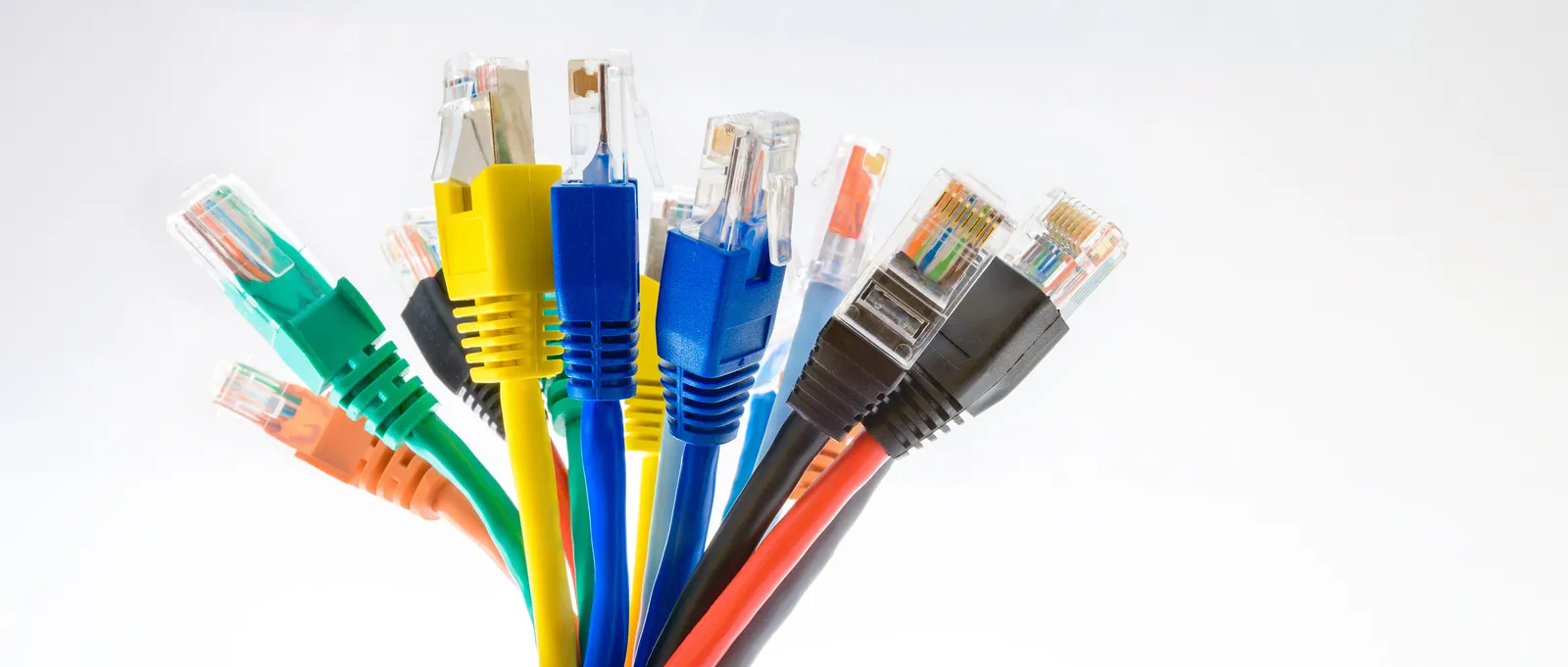
An outlet is not a network drop. One carries power, the other carries data, and a wall mounted television needs both. Most houses get the outlet and miss the drop, and the television spends the rest of its life on Wi-Fi.
A keypad is not a light switch. The box behind it has to match the device in front of it. Learn more about the keypad you touch every day and our lighting design and control.

The equipment location is usually chosen by accident. Not the garage corner. Not the closet under the stairs with no air. Choose it deliberately, early, and with ventilation in the drawing.
A one page version, sorted by the four deadlines. Download the checklist as a PDF, print it, and hand it over. There is no sales pitch in the middle of it, which makes it easy to pass along.
Before framing: shade pocket sizes, blocking for displays and heavy mounts, the equipment location and its power.
Before rough in: speaker wire, network drops, conduit, camera runs, door and gate wire, shade power, outdoor circuits, dedicated equipment circuit.
Before drywall: the walk through, a photograph of every wall, box depth, pocket sizes, drop locations confirmed against the furniture plan.
After move in: screens, seats, streaming boxes, shelf speakers, the doorbell, anything with a plug.
If you are earlier than this, start with five questions to ask before you build.
We will not put a number here, because every house is different. But the shape of the cost is the same in every house.
Someone cuts the drywall. Someone patches it. Someone matches the texture and repaints the wall, and the wall rarely matches on the first attempt. Furniture moves. A crew works around your family. And you pay for the wire twice, once in the plan you skipped and once in the repair.
Two illustrations, both invented to show the shape rather than drawn from a QAV project. A family moves in and wants music on the patio, but the wall is finished stone and the yard is planted, so the run goes through masonry and under new sod. A couple wants shades in the primary bedroom, but there is no pocket, so the shade hangs below the ceiling in a visible box and the power is fished down a finished wall.
Colorado sun is strong and unforgiving, and a great many houses here point their largest glass west at the mountains. Shades are not a decorative decision in that orientation, and a pocket planned at framing is the difference between a clean ceiling line and a fabric box you notice every afternoon for twenty years.
Altitude and dry air are hard on equipment. A rack in a hot closet with no airflow will not last as long as the same rack with a path for air, and ventilation is a decision made now rather than a repair made later.
Mountain properties bring their own list. Houses in Evergreen, Castle Pines and Vail often carry a detached garage, a shop, a gate or a guest house, and wire between buildings is firmly a now decision. So is planning for snow load on anything mounted outdoors. See a mountain ranch in Silverthorne.
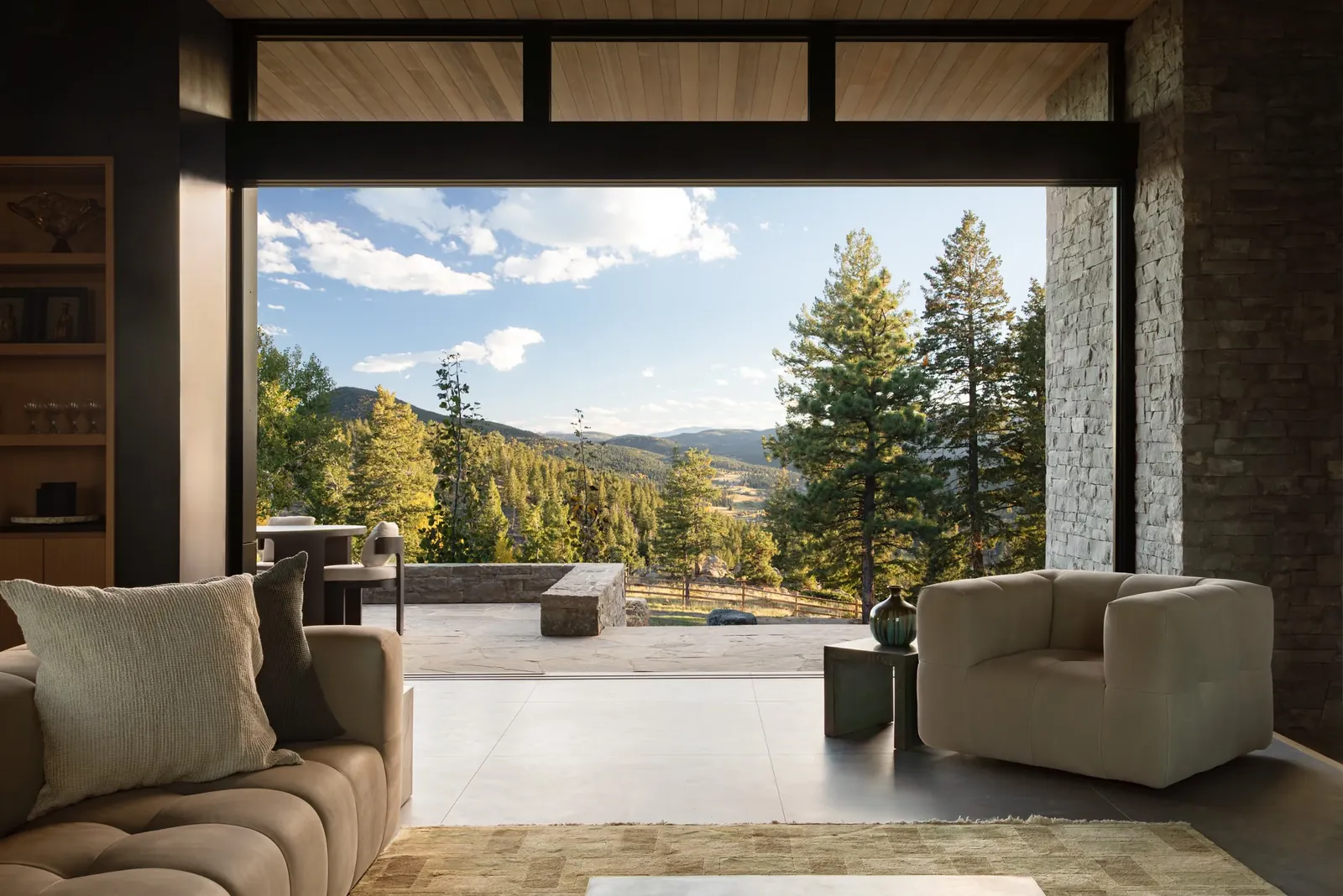
We spend most of our time in rooms with builders, architects and interior designers, and we would rather be in that room early than be handed a set of finished drawings. Our page for builders, architects and designers explains how we work inside a project team. Two Dog Vista, built with Rangeline Homes and Tucker Johnson Architects, is one example of what that looks like when it goes well.
QAV is HTA Certified at the Estate Level, in the top one percent of integrators in North America. The Home Technology Association verifies the work of technology firms so homeowners do not have to take it on faith.
Send the drawings, or a photograph of the room as it stands today. We will mark up what to wire now, what to decide this week, and what can honestly wait, and we will tell you which is which in plain terms. If it turns out you do not need us, we will say that too.
Send us your plans, or call (720) 734-3120. If the walls are closing this week, call rather than write.

The practical deadline for in wall wiring is the day drywall goes up, and the deadline for shade pockets is earlier still, because a pocket is framed rather than added. Nothing becomes impossible after those dates. Work done after the walls close simply costs more and offers fewer options, because the wire has to be fished through finished construction and the wall has to be patched, textured and repainted.
The low voltage device location plan and the prewire that follows from it. Wiring is the one part of a house that cannot be upgraded later without opening finished construction, so it is the only element that genuinely has to be correct before the walls close. Equipment, screens, speakers and controls can all be added or replaced over the years without touching a wall.
The ideal point is during schematic design, alongside the architect and builder, before framing drawings are finalized. That is when shade pockets, structural blocking and the equipment location are still inexpensive decisions. The last comfortable moment to join a project is before the electrical rough in, because every cable in the house is installed during that window.
No. Only four categories have to be settled before drywall: the wiring, the shade pockets, the electrical box depths, and the location where equipment will live. Screens, projectors, theater seating, streaming devices, shelf speakers and video doorbells can all be chosen and installed after move in, and are often better products by the time the room is ready for them.
Yes, and the gap between wiring and equipment is the normal case rather than the exception. Cable is inexpensive while framing is open and expensive to add afterward, so prewiring preserves choices that otherwise disappear. A house wired for speakers, cameras, access points and displays that do not exist yet keeps every one of those options available without opening a wall.
An outlet supplies power and a network drop supplies a wired data connection, and a wall mounted television needs both. A network drop is a data cable running from a wall plate back to the equipment location, which gives a device a faster and more stable connection than wireless. Many homes are built with the outlet and without the drop, which leaves every screen dependent on Wi-Fi.