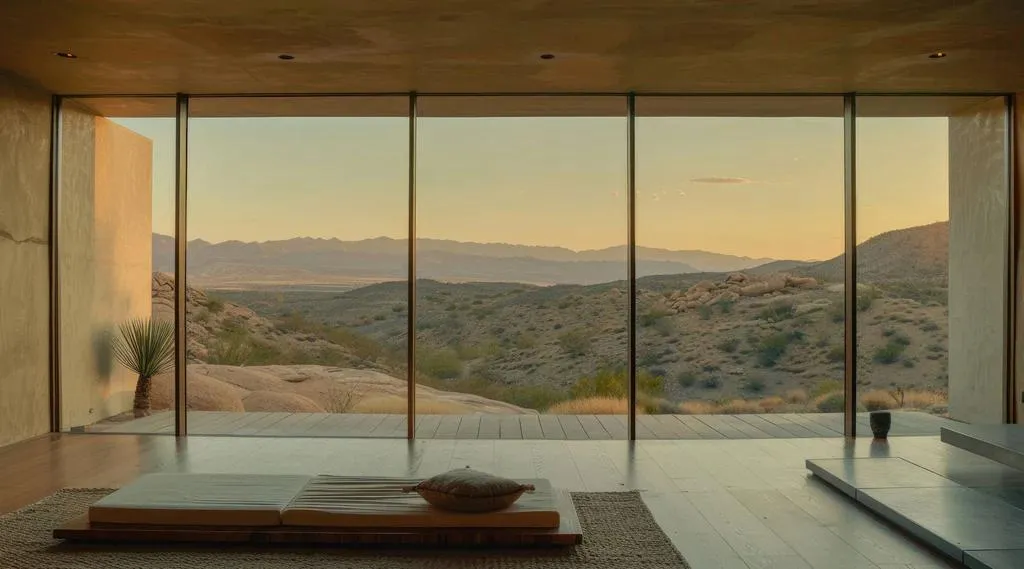



Most homeowners call us when the walls are about to close. By then, the easy, invisible, inexpensive version of their home is already off the table. It does not have to be that way.
Here is the usual order. The architect designs the home. The builder breaks ground. The electrician runs power. And somewhere near the finish, someone asks, "wait, where do the speakers and the screens go?" Now every good answer is expensive. Wire gets surface-mounted or chased into finished walls. Ceilings grow soffits to hide what should have been planned. The keypad lands next to the light switch instead of where your hand naturally falls. None of it is wrong, exactly. It is just second-best, forever.
When we join at schematic design, alongside your architect and builder, the technology becomes part of the home's DNA. The wiring is in the plans. The speakers vanish into the ceiling. The displays are framed by the architecture instead of fighting it. The light switch becomes a beautiful keypad exactly where you reach for it. You never see any of it. You only feel a home that works.
This is the part that surprises people. Early is not just better, it is less expensive. The wire itself costs very little. What costs a fortune is the access to place it once the drywall is up. Plan it in early and you avoid change orders, demolition, and the premium price of fixing what could have been done right the first time.
You do not need to know anything about technology to get this right. You need to ask one question, of your architect, your builder, and your designer: when should the technology designer join? The right answer is now, at the same table as everyone else. A great integrator will not slow your project down. They will protect your design and your schedule.
We design the entire system to a plan, build and test it in our own facility, and finish it before you move in. We call that Done at Closing. The earlier we start, the more invisible we can be, and the more your home simply works on day one.

As early as possible, ideally at schematic design, alongside your architect and builder. Early planning lets the technology disappear into the architecture.
You can still get a beautiful result, but it costs more and involves compromises: surface-mounted wire, added soffits, and devices placed where they fit rather than where they belong.
No. A good integrator works inside your existing timeline and design process, and actually prevents the delays that come from late change orders.
Usually, yes. The wire is inexpensive; the access to place it once walls are closed is not. Planning early avoids demolition and change-order premiums.
Your entire system is designed, built, and tested before installation, so on move-in day it already works.
Almost never. Basements, bonus rooms, and remodels are some of our favorite work, and a great result is still very much on the table. You are simply solving around decisions that are already made, which costs more than designing them in would have. Call anyway. We would rather help you now than have you wish you had called sooner.