
It is eight at night. Onions sizzle. You lean over the cutting board, knife in hand, and a dark shadow falls right across your work. It is your own head.
This is the most common problem in a new kitchen. It is almost never a lack of light. The light just comes from the wrong place.
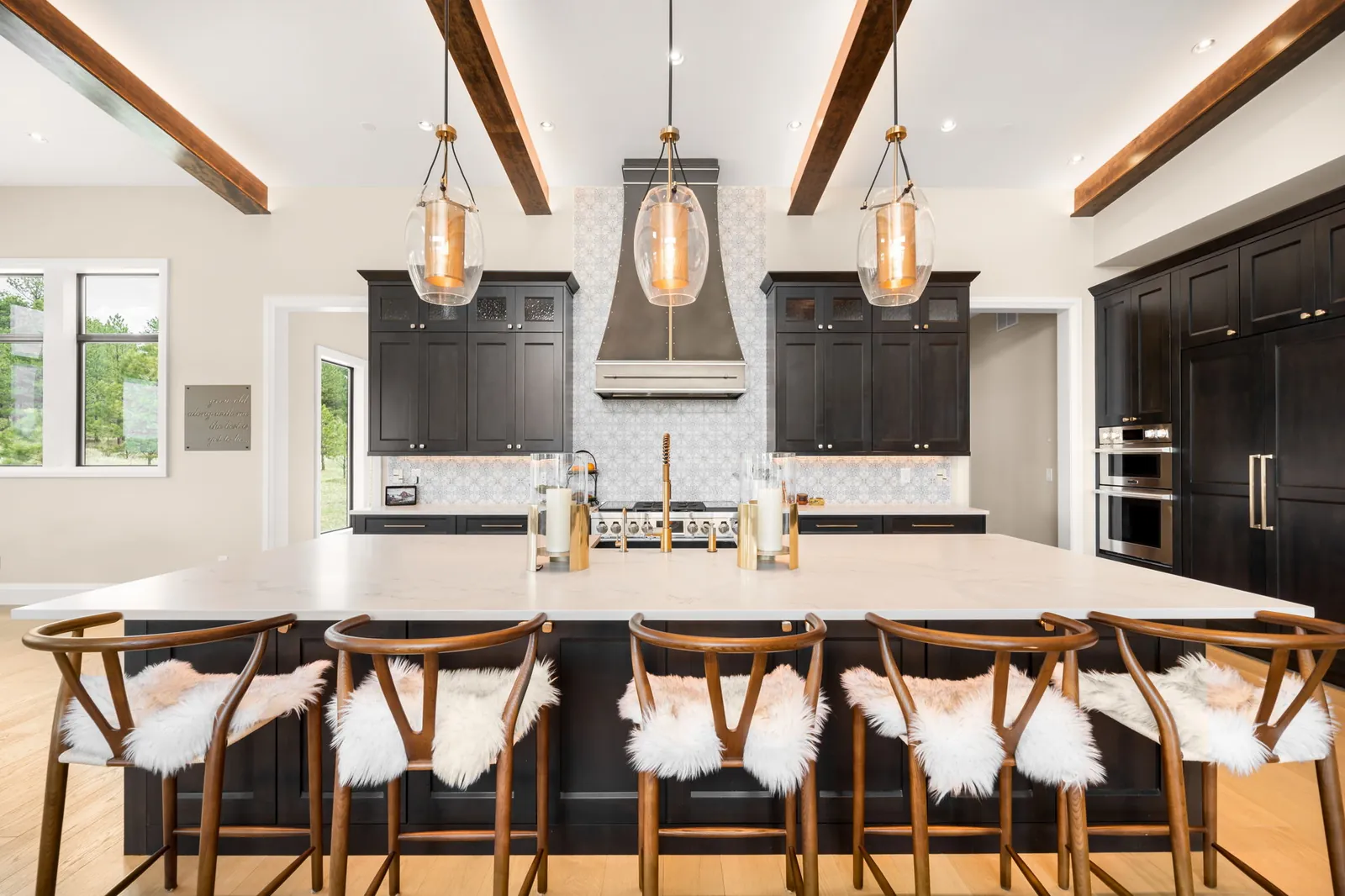
Put ceiling lights in line with the front of the upper cabinets, not over the middle of the room. Mount undercabinet strips at the front edge of the cabinet. Treat pendants as decor, and add downlights to light the island.
Pick one color, 2700K or 3000K, for every light you can see at once.
Quick Tips
Light the counter edge, not the room
Mount undercabinet strips at the front
Pendants are decor; add downlights for work
Use one color temperature
Add toe kick, shelf, cooktop, and cove light
Recessed lights are good tools. The trouble starts when they are spaced to look neat on a ceiling plan.
A ceiling plan is drawn from above. Nobody stands above a kitchen.
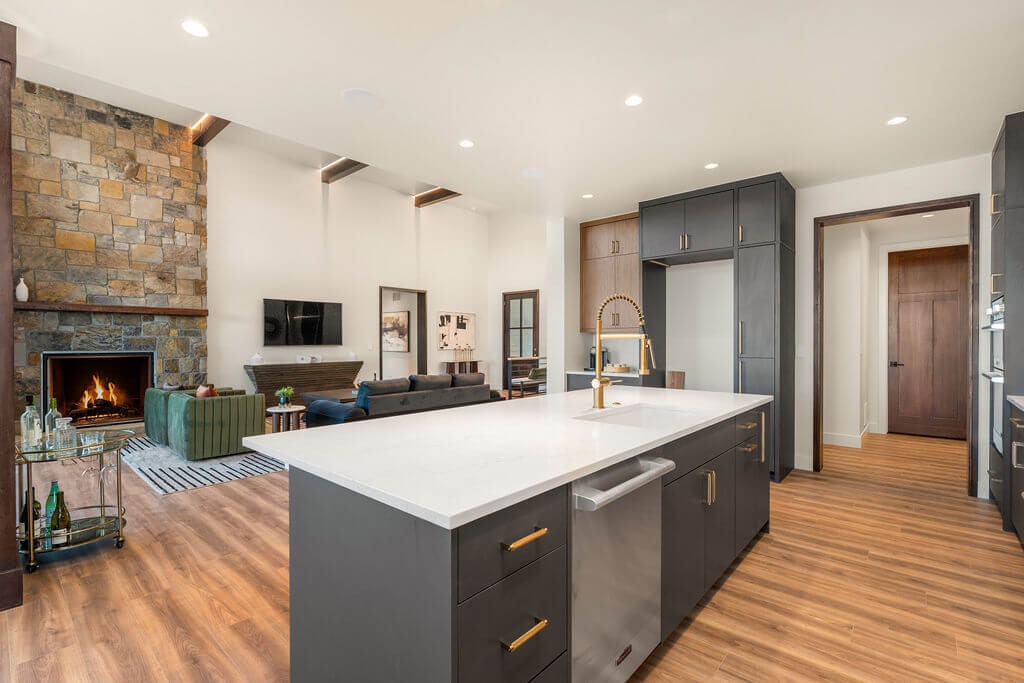
On an eight foot ceiling, place counter lights about in line with the upper cabinet fronts. Then the light lands in front of your hands, not behind them.
Tilt adjustable lights a little toward the cabinets. Light on walls and cabinet faces reads as brightness. That is the gap between design and layout.
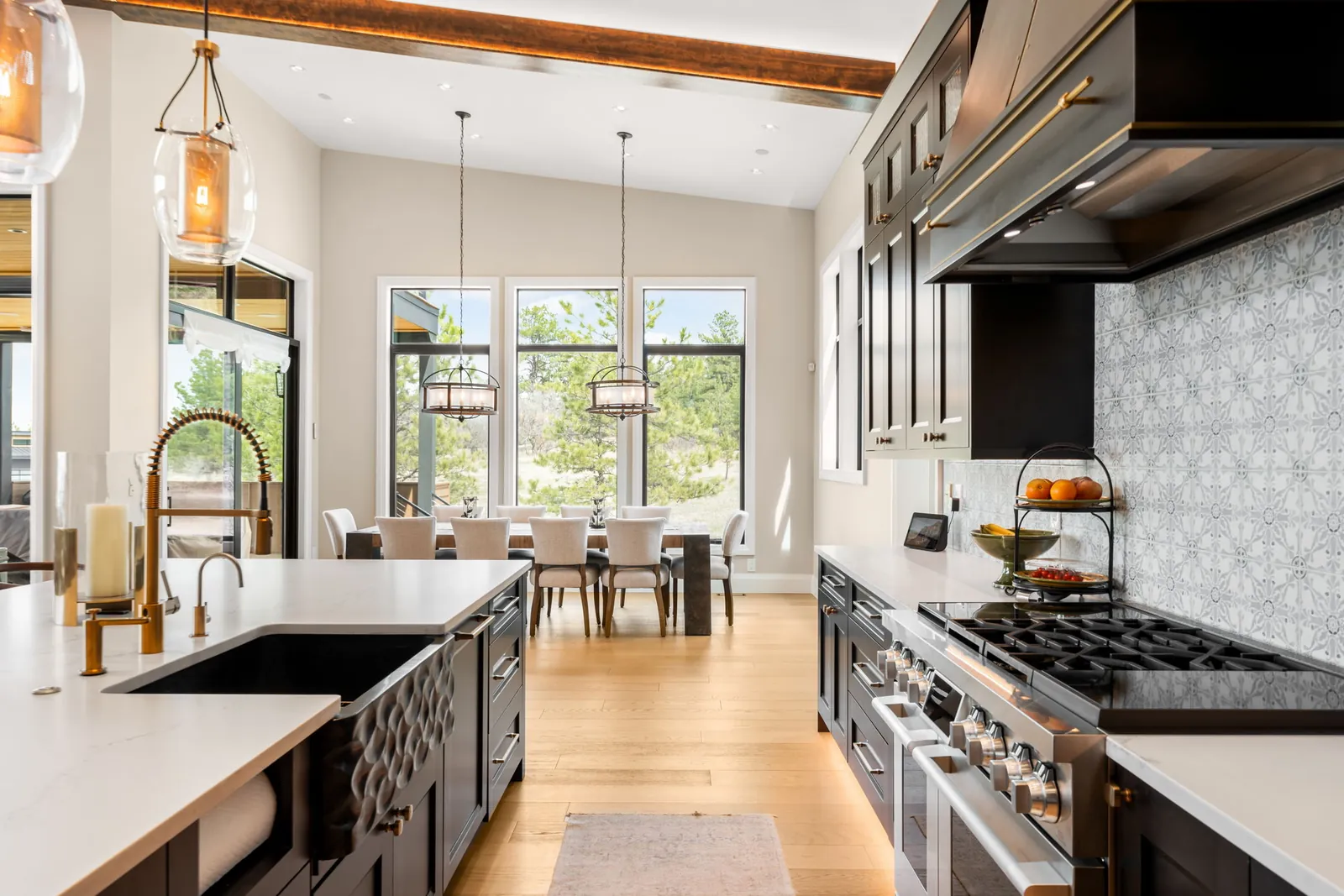
The strip often gets set at the back, against the wall. It lights the backsplash and not the cutting board.
Mount it near the front edge, hidden behind a light rail. It lights the whole counter. Choose one long strip over small round pucks, which leave dark gaps.
Finishes matter too. Glossy stone shows every light like a mirror. Honed or matte stone softens it. Read more in interior architectural lighting.
People pick pendants first. Yet pendants do the least to light the island.
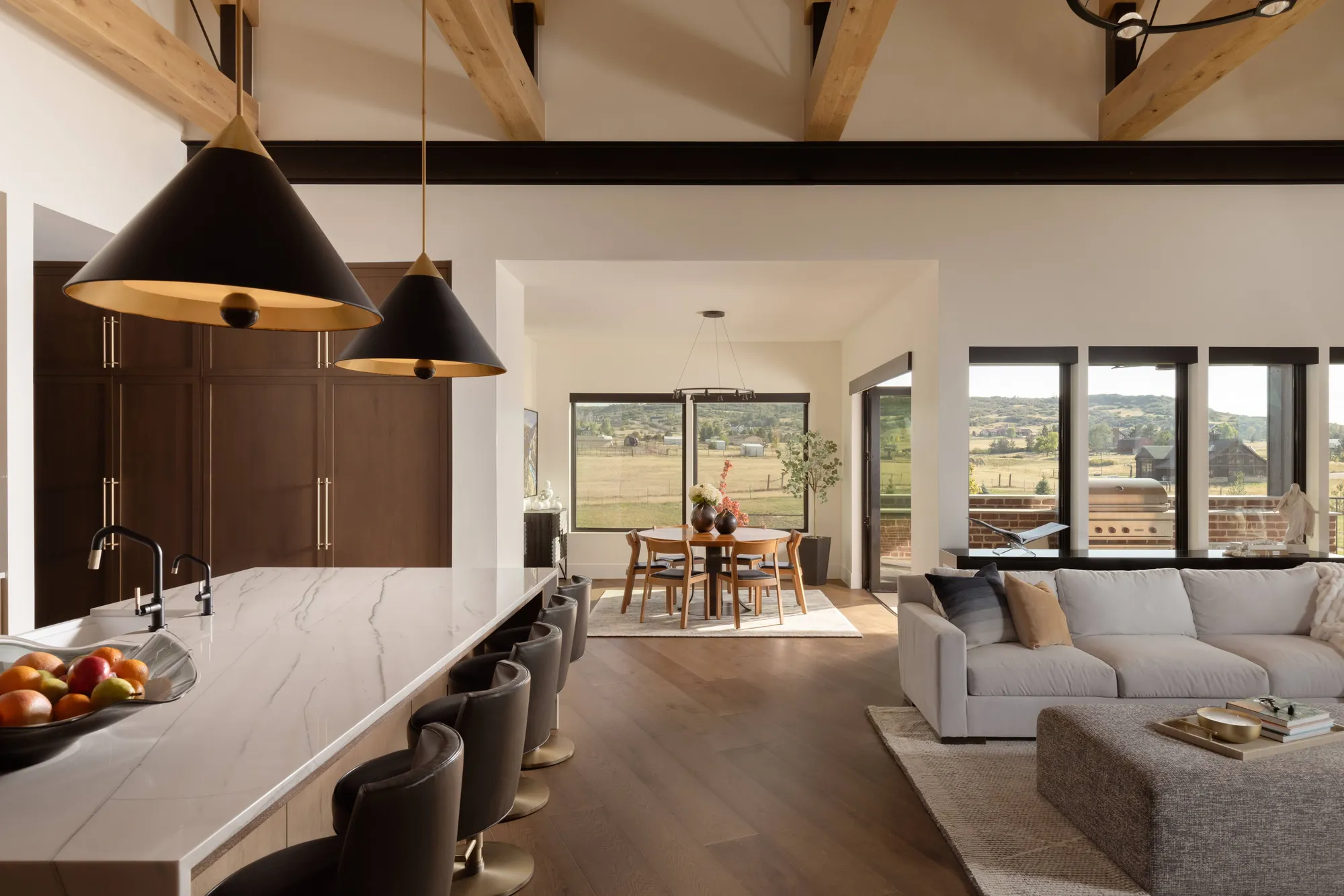
Think of them as art at eye level. Then light the island with downlights between or just outside the pendants, aimed at the work.
Size pendants to the island, not the ceiling. Pick a shade that softens the bulb, like frosted glass.
"QAV showed us what lighting can really do. Every room can pivot to match the mood at the press of a button, the ceilings are clean and beautiful, and one touch sets the whole house."
The Homeowners, Fox Hill
These let you leave the ceiling lights off most nights. See residential architectural lighting design.
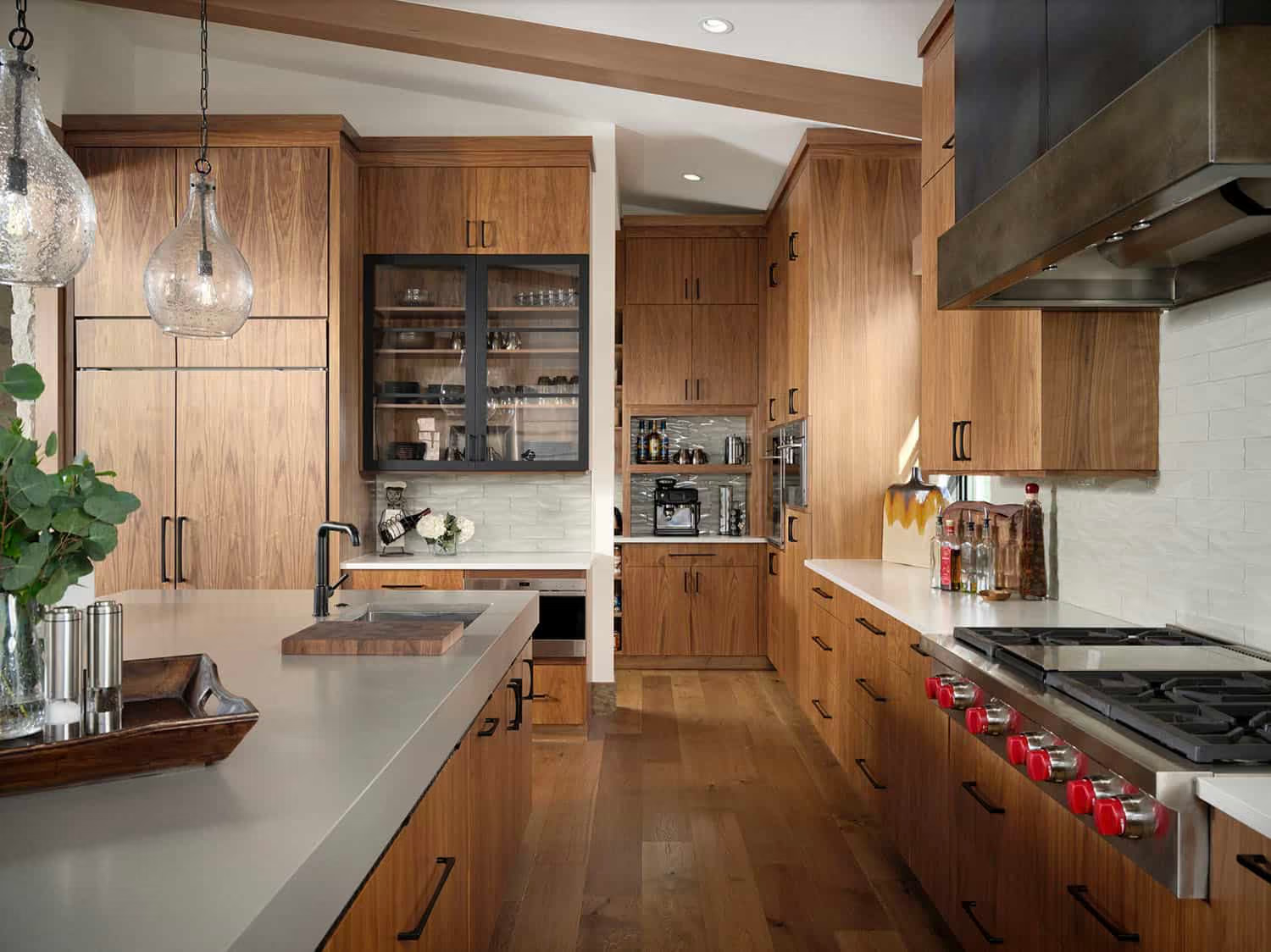
2700K looks good on wood, brass, and warm stone. 3000K looks crisper on white cabinets and cool marble. Either is fine. Just do not mix them in one view.
Ask for warm dimming by name. These lights get warmer as they dim, like a sunset. On a control system like Crestron, one touch sets a scene for breakfast, dinner, or midnight.
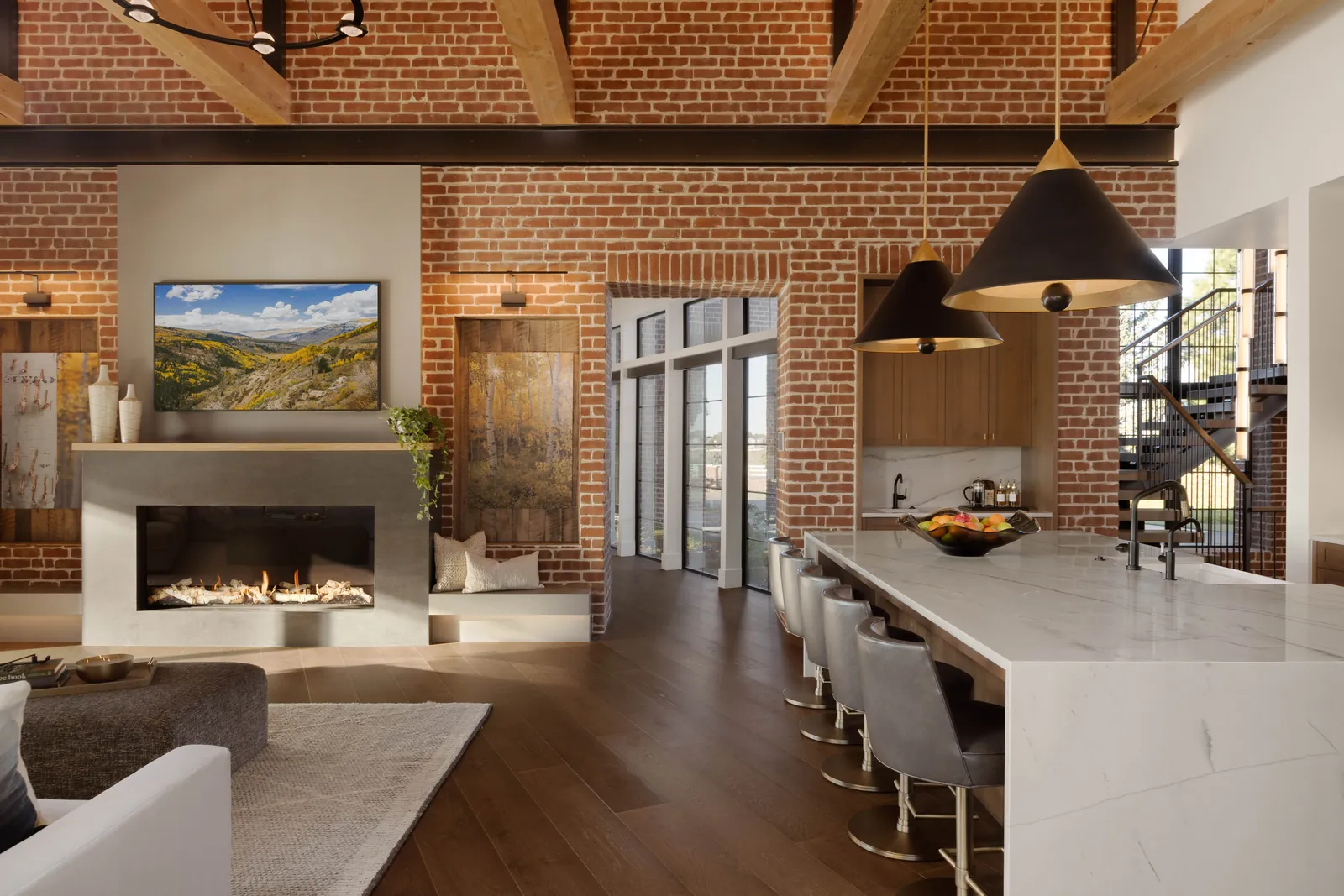
"QAV is the call we make on every home we build, and this home shows you why."
Garry Dorrance, Camerata Homes
QAV is a lighting and home technology firm in Centennial, Colorado. We design for homes across the Denver area and in mountain towns like Evergreen and Vail.
QAV is HTA Certified at the Estate Level, which puts us in the Top 1% of integrators in North America. Tyson Rabani sits on the Crestron Dealer Advisory Board for QAV. He is the only Colorado integrator on a board of about a dozen members worldwide.
Our Two Dog Vista project in Evergreen won the 2026 Crestron Home Technology Award for Best Entertainment Everywhere. See all our awards and recognition.
Kitchen lighting design, fixtures, and controls are part of ILLUMINATE. Want to stand at a counter lit three ways and pick your favorite?
Visit the QAV Experience Center in Centennial, open by appointment. Or contact QAV to start your project.

Place counter downlights about in line with the front of the upper cabinets. Do not center them over the counter. Then the light lands on the front of the counter, not on your back. If there is a soffit, move the light out more. With no upper cabinets, center the light on the part of the counter you use.
About forty degrees works well on a normal ceiling. A much wider beam spills light on the floor and leaves the counter dim. A much narrower beam makes bright scallops on the cabinets. Taller ceilings need narrower beams.
Mount it near the front edge of the cabinet bottom, not against the wall. Hide it behind a light rail or in a channel. A front strip lights the whole counter, where you cut food. A back strip only lights the backsplash.
Usually not. Pendant shades often block light. Open pendants can glare in a seated guest's eyes. Use pendants for style. Then add downlights between or just outside them, aimed at the work area.
2700K looks good on wood, brass, warm stone, and skin. 3000K looks crisper on white cabinets and cool marble. Either works. Just use one color for every light you can see at once. Warm dimming lights get warmer as they dim, which keeps the kitchen cozy at night.
Four layers are often missed: toe kick light, cabinet and shelf light, a real cooktop light, and hidden cove light. Each adds more than one more ceiling light would. Toe kick light, dimmed low, is great for a midnight glass of water.