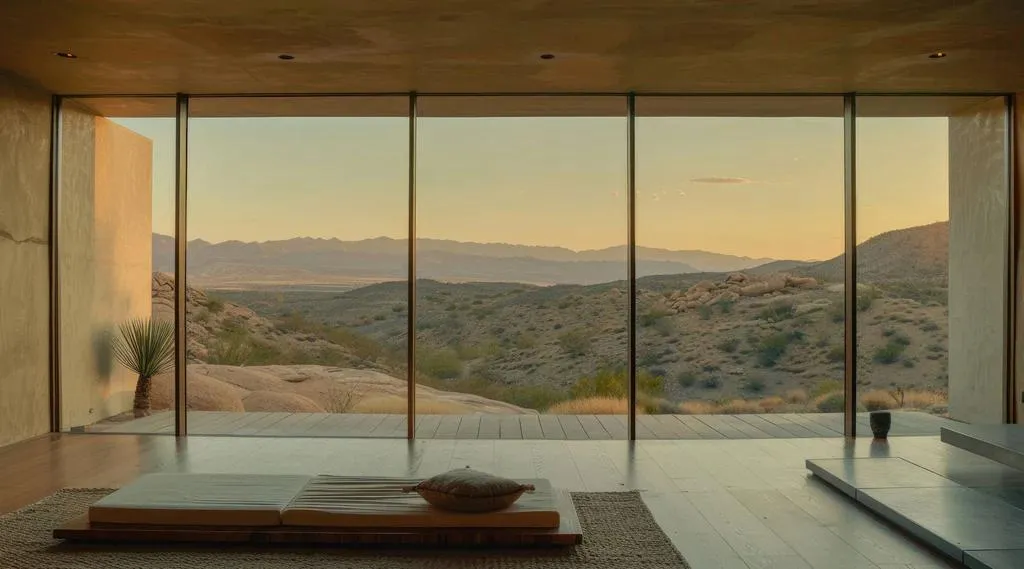



Every other material in your home is something you look at. Light is the only one you are inside of.
It is also the one most likely to be chosen by default. Somebody picks a fixture that looks right in a photo, an electrician wires it, and the home ends up with whatever quality of light happened to come in the box.
There are four real ways to light a home, and the difference between them is not brightness. It is what the light does to everything, and everyone, standing in it.
You will see a lot of confident claims in this category. We are careful here on purpose.
What is well understood is simple enough: your body reads light. Bright, cool light in the morning reads as daytime. Warm, low light in the evening reads as the end of the day. Homes lit at one flat setting from breakfast to bedtime are sending the same signal at every hour, and most people can feel that even if they have never named it.
Human centric lighting simply means designing light around the people in the room rather than around the ceiling. We would rather show you what it feels like than make claims about what it does to you.
Static white. One color temperature, fixed, forever. It is what most homes have. It works, it costs the least, and it is the same at seven in the morning as it is at eleven at night. In a premium space, we do not recommend leading with it.
Warm dim. The light gets warmer as you dim it, the way a candle or an incandescent bulb always did. Modern LEDs do not do this on their own, which is why so many new homes feel cold at low levels in a way older homes never did. Warm dim brings that back, and it is remarkably cost effective. This is the minimum we recommend in any space that matters.
Tunable white. Now the color temperature moves independently of brightness, so the light can be cool and energizing in the morning and warm and settled at night, at whatever level you want. This is where human centric lighting actually begins, and it is a real step up in investment from warm dim.
Full spectrum. The top of the range. Exceptional color rendering, so your wood looks like wood, your stone reads with depth, your art shows the colors the artist mixed, and the people in the room look like themselves. Everything you spent money on finally looks the way it did in the showroom.
You do not need the top tier everywhere, and spreading it evenly is how budgets get wasted. Here is how we think about it.
Full spectrum belongs in your primary and entertaining spaces. The great room, the kitchen, the dining room, wherever you actually spend your hours and host your people. This is where both the people and the architecture need to look their best, and it is where the money returns the most. Tunable white is excellent in these rooms too.
Drop a tier in secondary spaces, unless the budget has headroom. Halls, guest rooms, utility areas. Nobody is studying the color rendering in a mudroom.
Warm dim is the floor. If a room matters at all, it should at least warm as it dims. Going below that in a premium home is a decision you will notice every evening for twenty years.
Here is where the budget conversation gets genuinely interesting, and it is the opposite of what everyone expects.
The fixtures themselves cost more. But the total project generally costs the same or less.
When the fixtures are digital, meaning the driver, the dimming, and the control are built into the fixture itself, an enormous amount of traditional infrastructure simply disappears. Fewer sub panels. Fewer breakers. Miles less Romex. And a very large amount of electrician labor that no longer needs to happen.
What actually changes is where your money goes. Instead of the majority of your lighting investment disappearing into infrastructure behind drywall that you will never see again, it goes into the fixtures themselves, and therefore into the experience of living in the rooms. That is a better trade almost every time.
Digital fixtures sometimes get described as emerging technology. They are not. QAV has been designing and delivering them since 2016, and after nearly a decade of doing it, our honest position is that digital should now be the default on any luxury custom home, and on premium hospitality and commercial work especially.
They are also remarkably reliable, which follows logically from having fewer separate components to fail. The driver is not in a closet somewhere waiting to be found.
The furthest expression of human centric lighting is not a fixture at all.
Artificial skylights, like those made by CoeLux, recreate real sunlight and open sky overhead. Not a bright panel in a ceiling, but the genuine impression of the sun above you and blue sky beyond it. The effect is convincing enough that the shadows it casts turn faintly blue, exactly the way they do outdoors at noon.
They belong in the rooms that never had a chance at daylight. A basement. A spa. An interior stair. A lower level theater lobby. They are a premium option, and they do something no fixture can.
Early, and for a practical reason rather than a philosophical one.
The four technologies wire differently, they need different control, and the digital approach changes what your electrician runs in the first place. Choosing during design means the whole plan gets built around the light you actually want. Choosing after the walls are closed means picking whatever works with what is already there.
If you want to see the difference rather than read about it, our Experience Center in Centennial has all of this running side by side. Stand in a room, watch the same space shift from morning to evening, and you will know in about a minute which tier belongs in your home.
That is what ILLUMINATE is for.

Lighting designed around the people in the room rather than around the ceiling. Your body reads light differently through the day, so the light shifts with it: cooler and brighter in the morning, warmer and lower at night, instead of one flat setting from breakfast to bedtime.
Static white is one fixed color temperature. Warm dim gets warmer as it dims, the way incandescent light always did. Tunable white moves color temperature independently of brightness. Full spectrum adds exceptional color rendering so materials, art, and people look their best.
Warm dim, at minimum, in any space that matters. Modern LEDs stay cold as they dim unless they are designed not to, which is why many new homes feel harsh in the evening. Warm dim is cost effective and we do not recommend leading with static white in a premium space.
Full spectrum or tunable white in your primary and entertaining spaces, where you spend your time and where both people and finishes need to look their best. Drop a tier in secondary spaces unless the budget has headroom.
The fixtures themselves cost more, but the total project generally costs the same or less. Digital fixtures build the driver, dimming, and control into the fixture, which removes sub panels, breakers, a great deal of wire, and a great deal of electrician labor. More of your investment goes into the fixtures and the experience, and less into infrastructure behind drywall.
Yes. Artificial skylights such as CoeLux recreate real sunlight and open sky overhead, convincingly enough that the shadows turn faintly blue the way they do outdoors at noon. They belong in basements, spas, interior stairs, and any room that never had a chance at daylight.